How to Unlock a Dell Laptop Keyboard (Windows 11 Fixes)
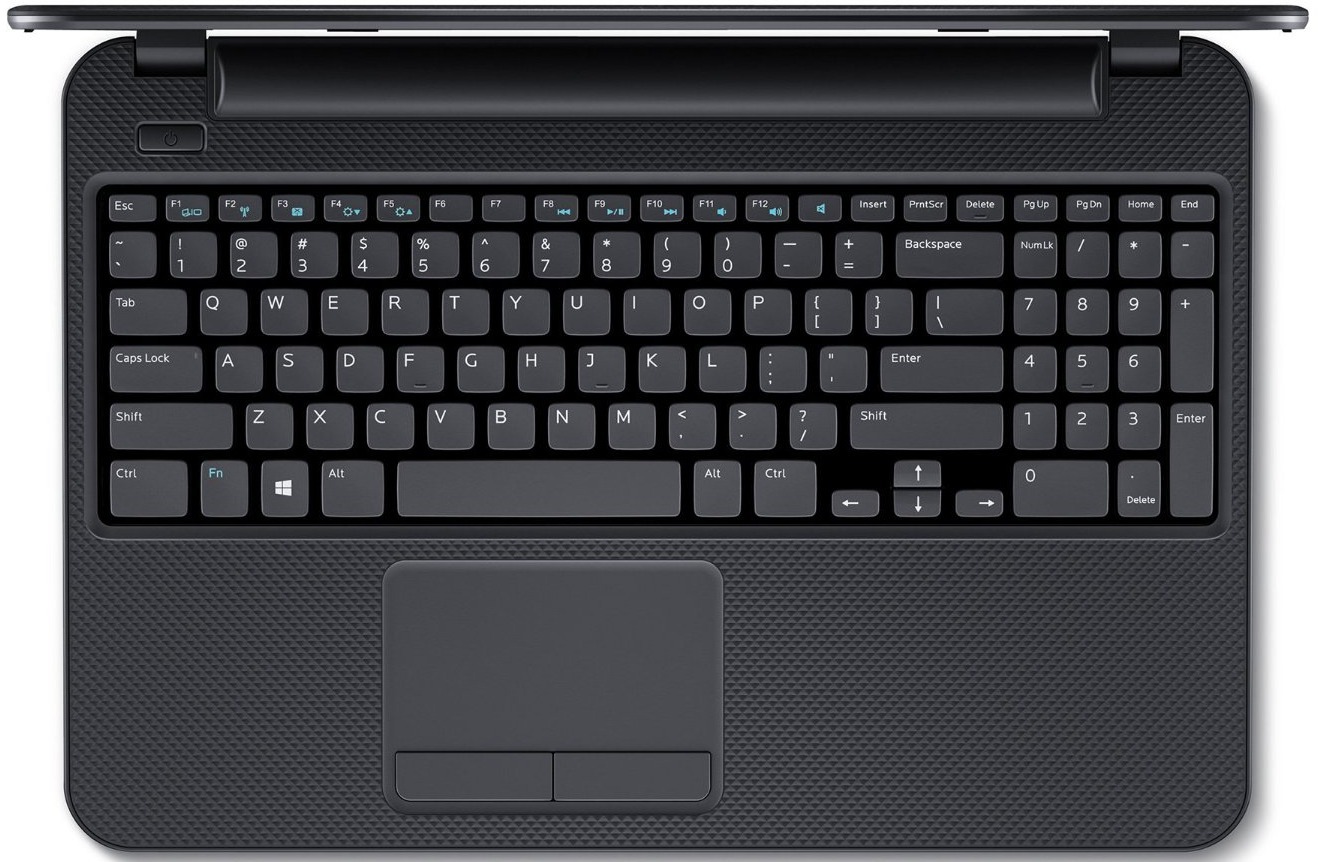
To unlock a Dell laptop keyboard, first press Fn + Esc to toggle Fn Lock, then press Num Lock (or Fn + Num Lock) if letter keys are typing numbers. If keys don’t respond at all, turn off Filter Keys in Settings > Accessibility > Keyboard or hold the right Shift key for eight seconds. Dell’s keyboard troubleshooting guide doesn’t describe a single key that locks the whole keyboard, so a “locked” Dell keyboard is usually one of these settings, a driver problem, or a hardware fault.
Content of the page
Every step below was checked against Dell’s and Microsoft’s current support documentation for Windows 11.
Which kind of “lock” do you have?
Match what you see to the likely cause, then jump to that step.
| What happens | Likely cause | Go to |
|---|---|---|
| F1-F12 change volume or brightness instead of working as F-keys (or the reverse) | Fn Lock | Step 1 |
| Some letter keys type numbers | Num Lock | Step 2 |
| Short key presses are ignored, keyboard seems dead | Filter Keys | Step 3 |
| Keyboard dead after an update or crash | Driver | Steps 4-5 |
| Keys dead even outside Windows | Hardware | Step 6 |
If you need to type while you work through this, open the Windows On-Screen Keyboard with the touchpad: Start > Settings > Accessibility > Keyboard, then turn on the On-Screen Keyboard toggle. A USB or Bluetooth keyboard also works and helps narrow things down: if an external keyboard types fine, the issue is limited to the built-in one.
Step 1: Toggle Fn Lock with Fn + Esc
Many Dell laptops let you lock the Fn key so the top row performs its special functions (volume, brightness, media) without holding Fn. When it gets switched by accident, it feels like the keyboard is broken.
- Press and hold Fn.
- Press Esc.
- Test the top row again. Repeat the same keys to switch back.
To set the default permanently, restart and press F2 during startup to open System Setup (BIOS). On newer Dell BIOS screens the option is under Post Behavior > Fn Lock Options; on the older tabbed BIOS it’s under Advanced > Function Key Behavior. Exit without changing anything else.
Step 2: Turn off Num Lock
On Dell laptops with dual-purpose keys, Num Lock switches some letter keys to numbers. Press Num Lock once and test. On some models you need to hold Fn while pressing Num Lock.
No Num Lock light? In Settings > Accessibility > Keyboard, turn on Toggle keys. Windows then plays a sound whenever Caps Lock, Num Lock or Scroll Lock is pressed, so you can hear which state you’re in.
Step 3: Turn off Filter Keys and Sticky Keys
Filter Keys makes Windows ignore brief or repeated keystrokes. If it’s on, normal typing barely registers and the keyboard looks locked. Holding the right Shift key for eight seconds toggles it, so it’s easy to turn on by accident.
- Press Windows + U, or open Start > Settings > Accessibility.
- Select Keyboard.
- Turn off Filter keys, and turn off Sticky keys too if Shift, Ctrl or Alt seem stuck.
Step 4: Reinstall the keyboard in Device Manager
If the keyboard stopped after a Windows update, a crash or a driver install, reinstalling the device usually clears it. You can do all of this with the touchpad.
- Right-click the Start button and select Device Manager.
- Expand Keyboards.
- Right-click each entry and select Uninstall device, then confirm.
- Restart from Start > Power > Restart. Windows reinstalls the keyboard driver automatically.
Before restarting, unplug docks, USB hubs and other accessories. Dell’s quick fix for keyboard problems is to restart with everything disconnected, then reconnect devices one at a time to find the one causing trouble. If your Dell touchpad is acting up as well, see our guide to a Dell laptop mouse or touchpad that isn’t working.
Step 5: Update drivers and BIOS with SupportAssist
Dell lists an up-to-date BIOS among its keyboard fixes. The simplest way to get both BIOS and driver updates is Dell SupportAssist:
- Search for SupportAssist in the Start menu and open it.
- On the Home tab, select Update Software.
- Select Start to check for driver and BIOS updates, install them, and restart.
You can also download updates manually from the drivers page for your service tag on Dell’s support site.
Step 6: Run Dell’s keyboard diagnostics
If none of the settings above helped, test the hardware itself. Dell offers three ways:
- SupportAssist keyboard test in Windows: follow the on-screen prompts, and if it finds a hardware issue it points you to driver updates or Dell support.
- Online Keyboard Diagnostics on Dell’s support site, an interactive test where you press every key.
- Preboot diagnostics: turn the laptop on, tap F12 at the Dell logo until the One Time Boot Menu appears, then select Diagnostics. If a test fails, write down the error code and validation code. Dell explains the full process in its preboot diagnostics guide.
A quick extra check: if the arrow keys work inside the F2 System Setup screen, the keyboard hardware is fine and the problem is in Windows. If they don’t, it’s hardware.
When it’s not a lock: dirt, spills and hardware
If only a few keys stick, debris is the usual reason. Power off, then use compressed air around the key with the can held upright, as Dell advises, and wipe with a microfiber cloth. Our guide to cleaning a laptop keyboard from dust and dirt has the full routine.
After a spill, Dell’s advice is to turn the laptop off immediately, tilt it to drain the liquid, wipe it with a soft cloth and let it dry for at least 24 to 48 hours before using it. If the keyboard is unresponsive and you can’t shut down normally, here’s how to turn off a Dell laptop without using the power button.
If diagnostics confirm a hardware fault, contact Dell support with your service tag and the error codes. Keep in mind that on many Dell laptops the keyboard isn’t sold alone: the Inspiron 15 3520 service manual, for example, lists a combined palm-rest and keyboard assembly. For fixes that apply to HP, Lenovo and other Windows 11 laptops as well, see our full guide on a laptop keyboard that isn’t working in Windows 11.
For Dell’s own list of checks, see the Dell keyboard troubleshooting guide.
FAQ
Is there a key that locks the whole keyboard on a Dell laptop?
Dell’s keyboard guide doesn’t list one. What people call a locked keyboard is usually Fn Lock (Fn + Esc), Num Lock, or Windows Filter Keys.
How do I unlock the Fn key on a Dell laptop?
Hold Fn and press Esc. To change the default, open System Setup with F2 at startup and look under Post Behavior > Fn Lock Options, or Advanced > Function Key Behavior on older BIOS versions.
Why does my Dell keyboard type numbers instead of letters?
Num Lock is on. Press Num Lock (or Fn + Num Lock) to switch the dual-purpose keys back to letters.
My Dell keyboard works in BIOS but not in Windows. What now?
The hardware is fine. Turn off Filter Keys, reinstall the keyboard in Device Manager, and install driver and BIOS updates through SupportAssist. Once typing works again, the usual copy and paste shortcuts on a Dell laptop are a quick way to confirm Ctrl combinations respond.